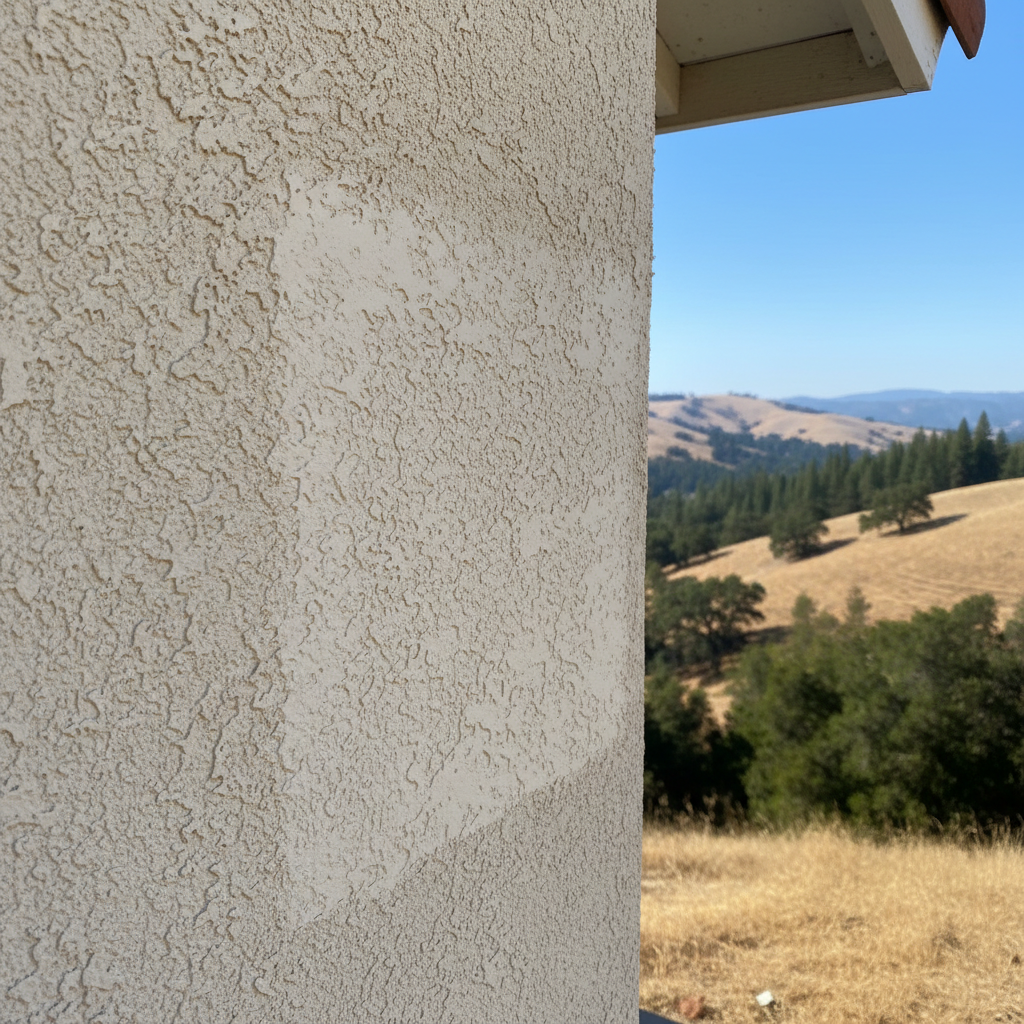
Alright, let's talk stucco repair. Maybe you own a home in Portola Valley—one of those gorgeous custom builds up in Ladera, or a classic ranch-style place—and you've just noticed a crack or a chip in your stucco. Your first thought probably is, "Can I just fix this myself?" That's a fair question, and honestly, there's no simple yes or no answer. It really just depends on how bad the damage is.
Spotting the Problem: What Kind of Damage Are We Talking About?
Before you even think about buying materials, you need to figure out exactly what kind of stucco damage you're dealing with. Not all cracks are the same, and some are definitely way more serious than others.
- Hairline Cracks: These are super thin, usually just on the surface. They often pop up because of normal expansion and contraction from temperature changes. Think of them like fine lines on an old map, nothing too alarming.
- Spiderweb Cracks: These spread out in a few different directions, often from one central spot. They might point to a slightly deeper issue, but a DIYer could still probably handle them.
- Impact Damage/Holes: Someone hit the wall with a bike, a rock flew up, or maybe a branch fell. These are usually pretty obvious holes or divots, no mystery there.
- Cracks with Bulging or Discoloration: Okay, now we're getting into trickier territory. If you see cracks that are wide, running horizontally or vertically for long distances, or if the stucco around them looks bulged, feels soft, or is discolored (especially around windows or doors), that's a huge red flag. This often signals water getting in, and that's absolutely not something you want to ignore.
- Stucco Separating from the Wall: If you can push on the stucco and it feels loose, or you actually see it pulling away from the underlying structure, stop right there. This is a big deal and definitely a job for a professional.
What You Can Probably Fix Yourself (If You Have the Right Tools)
For those hairline cracks, small spiderweb cracks, and minor impact damage (like a ding the size of a quarter or smaller), you can probably tackle it yourself. You'll need a few things:
- Safety Gear: Gloves, eye protection, and a dust mask aren't optional, folks.
- Cleaning Supplies: A stiff brush, some mild detergent, and a hose. You need a clean surface for that patch to stick.
- Trowel or Putty Knife: For applying the patch material.
- Stucco Patching Compound: Make sure you grab one that matches your existing stucco's texture and color as closely as possible. This is where it gets tricky in Portola Valley, because we have everything from smooth modern finishes to rougher, more traditional textures. Bring a sample if you can, or at least a good clear photo.
- Water: For mixing, if you're using a dry mix, and for cleaning up your tools.
- Sponge or Float: To blend the patch in.
The process usually involves cleaning the area really well, dampening it a bit, applying the patch compound, and then texturing it to blend. Don't go too thick with the patch; several thin layers work much better than one big glob. And remember, if you're nervous about matching the texture, practice on a scrap piece of wood or an inconspicuous spot first.
When It's Time to Call a Pro (Like Neighborly Stucco)
Look, I'm all for homeowners saving a buck and doing what they can. But sometimes, DIY stucco repair just leads to bigger headaches down the road. If you've got any of these issues, you really should pick up the phone and call someone like us at Neighborly Stucco:
- Large or Deep Cracks: Anything wider than a credit card, or if you can actually see deep into the wall structure, needs a professional assessment. These could be structural or point to significant water damage.
- Cracks Around Windows or Doors: These are notorious entry points for water, believe me. A quick patch might hide the problem, but it won't fix the underlying issue of water getting behind your stucco, which can lead to rot and mold. The unique microclimates we have here, with foggy mornings and sunny afternoons, can really stress these areas out.
- Bulging, Soft, or Discolored Stucco: Again, this just screams water damage. We're talking about potential dry rot in the framing, which becomes a massive repair if you let it go.
- Stucco Separating from the Wall: This means the bond coat has failed, or there's a structural problem. It's not just about how it looks; it's a structural integrity issue.
- Extensive Damage: If you have multiple areas of significant damage, or if it covers a large portion of a wall, it's simply more efficient and safer to have a professional handle it. We've got the tools, the experience, and the right materials to ensure a lasting repair.
- You're Not Comfortable: If you're feeling overwhelmed or unsure about any part of the process, it's always better to play it safe. A botched DIY job can end up costing you more in the long run than just calling a professional in the first place.
The main goal here is to protect your home and keep its value up. Sometimes that means getting your hands dirty, and sometimes it means knowing when to trust the experts. Don't let a small crack turn into a big headache because you tried to save a few bucks on a repair that was just beyond your skill set. We're here to help when those bigger jobs pop up.