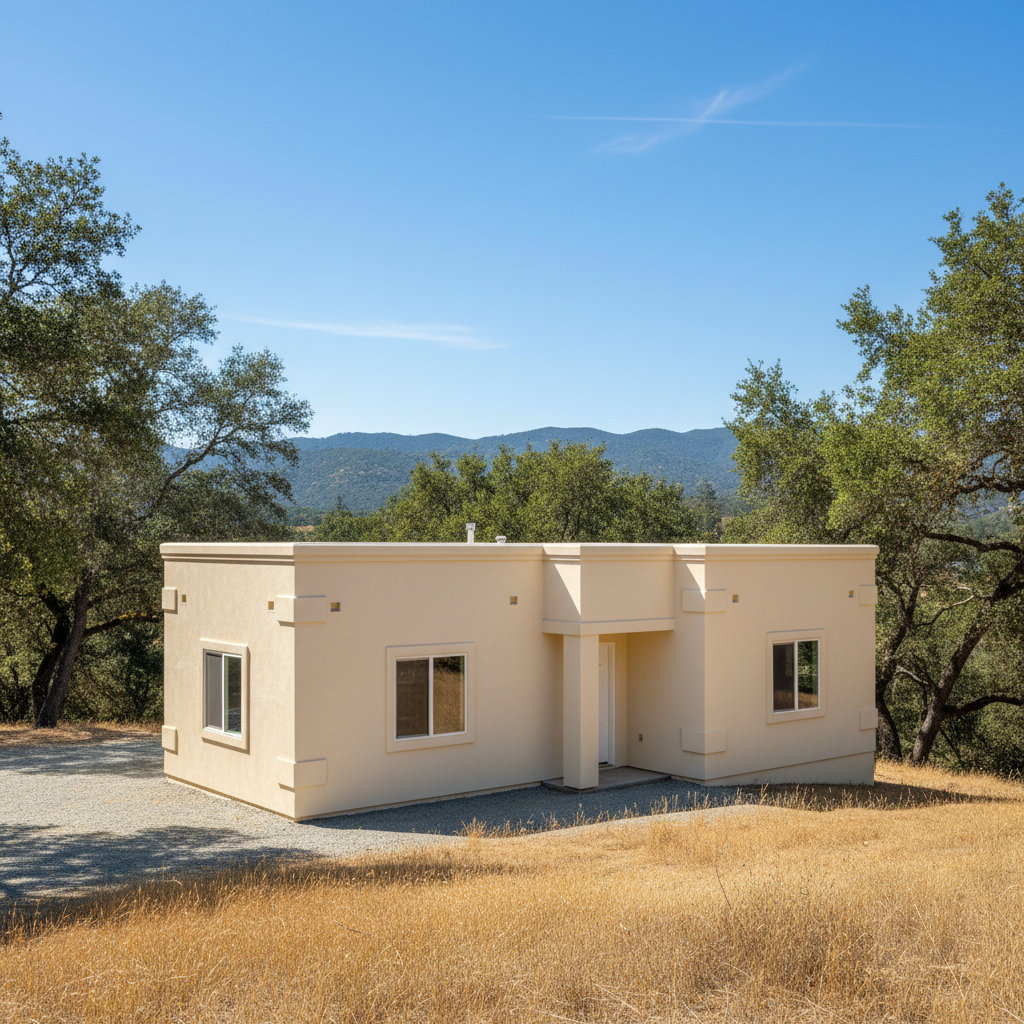
So, you're thinking about EIFS for your place here in Portola Valley. It's a really solid choice for insulation and giving your home a modern vibe, but let's be honest, you want to know what it's actually going to cost. Forget those vague online calculators; I'm going to give you the real lowdown on EIFS pricing straight from someone who's out there doing the work every day.
What Really Drives EIFS Installation Costs?
It's definitely not just a flat rate per square foot, trust me. A few key things will make your price go up or down:
- The Size and Complexity of Your Home: This is a huge factor. A simple, rectangular single-story house will almost always be cheaper per square foot than a multi-story one with lots of bump-outs, gables, and architectural flair. Every single corner, every window, every door means more cutting, more flashing, and more labor. If your home has a bunch of intricate angles or really high peaks, it'll just take more time and need specialized scaffolding, which naturally adds to the cost.
- EIFS System Type: There's more than one kind of EIFS. The most common is a barrier system, but you can also get drainage systems that handle moisture better. Drainage systems usually cost a bit more because they include an extra drainage plane and components, but they give you superior moisture protection. That's a pretty smart investment, especially with our occasional heavy rains here in Portola Valley.
- Insulation Thickness: EIFS is all about insulation, right? The thicker the insulation board (usually expanded polystyrene or EPS), the better the R-value you get. But, of course, thicker material also means a higher material cost. Most homes use 1 to 2 inches, but if you're really pushing for maximum energy efficiency, you might go thicker.
- Finish Type and Texture: This is where you get to truly customize the look. You can choose a smooth, modern finish, or something with more texture, like a sand finish or even a coarse aggregate look. Some finishes just take more work to apply evenly, and specialty colors or multi-tone applications will also bump up the price.
- Condition of Existing Substrate: If we're putting EIFS over existing siding, we need to make sure it's in good shape. If there's rot, significant damage, or if we have to strip off old siding first, that's extra prep work and, yep, more cost. Sometimes we even find hidden issues once we start, and those absolutely need to be handled correctly.
- Accessibility: Is your home easy to get to? Are there steep hills, tight access points, or a lot of landscaping we need to protect? All these things can affect how we set up our equipment and how much time it takes to move materials around.
Typical EIFS Cost Ranges in Portola Valley
Alright, let's talk actual numbers. For a standard EIFS installation on a typical Portola Valley home, you're generally looking at a range of $12 to $25 per square foot. Now, I know that's a pretty wide range, but it honestly just depends on all those factors I just ran through.
- Basic, straightforward home: Expect to be closer to the $12-$16 per square foot mark. This would be for a simpler design, 1-inch insulation, and a standard finish.
- More complex homes or drainage systems: You'll probably be in the $17-$22 per square foot range. This covers more architectural details, thicker insulation, or if you opt for a drainage system.
- High-end, custom, or challenging access projects: These can push you up to $23-$25+ per square foot. This might include really intricate designs, specialized finishes, or a lot of prep work.
So, for a 2,500 square foot home, you could be looking at anywhere from $30,000 to $62,500. It's a big investment, no doubt, but EIFS really does offer excellent thermal performance and a super durable exterior.
What Should Be Included in Your EIFS Quote?
When you get a quote, you want to make sure it covers everything. Here's what a good one from Neighborly Stucco — or any reputable contractor, for that matter — should spell out:
- Materials: This means the insulation boards, base coat, mesh, primer, and the finish coat itself. It should also list any specific brands or system types they plan to use.
- Labor: The cost for our crew to prep the surface, install all the layers, and clean up when we're done.
- Scaffolding/Equipment Rental: If your project needs extensive scaffolding or specialized lifts, that cost should definitely be broken out.
- Permits: Here in Portola Valley, you'll absolutely need permits for exterior work like this. Make sure the quote specifies who's responsible for pulling and paying for them. Usually, that's the contractor.
- Flashing and Sealants: Proper flashing around windows, doors, and other penetrations is absolutely critical for managing moisture. Don't let anyone cut corners here.
- Waste Disposal: Hauling away old siding or any construction debris.
- Warranty Information: What kind of warranty do you get on the materials and, just as important, the workmanship?
How to Avoid Overpaying for EIFS
Nobody wants to feel like they got ripped off, right? Here's how you can protect your wallet:
- Get Multiple Bids: This is a no-brainer, really. Get at least three detailed quotes. Don't just look at the bottom line; compare what each quote actually includes.
- Ask for References: Talk to past clients. Go see their work if you can. A good contractor will be happy to provide them.
- Understand the Scope: Make sure every contractor is bidding on the exact same work. If one quote is way lower, they might be cutting corners or leaving something out.
- Don't Chase the Lowest Price: The cheapest bid often means cheaper materials, less experienced labor, or a contractor who's just desperate for work and might vanish if problems pop up. EIFS is a system; if one part fails, the whole thing can suffer. This isn't the place to pinch pennies, is it?
- Check Licenses and Insurance: Always, always, always verify that your contractor is licensed, bonded, and insured. You really don't want to be liable if someone gets hurt on your property.
- Ask About Change Orders: Understand how changes to the project scope will be handled and priced *before* you sign anything.
EIFS can be a fantastic choice for your home, giving it great curb appeal and boosting energy efficiency. Just do your homework, ask the right questions, and pick a contractor who truly knows their stuff. That's how you get a fair price and a job done right.