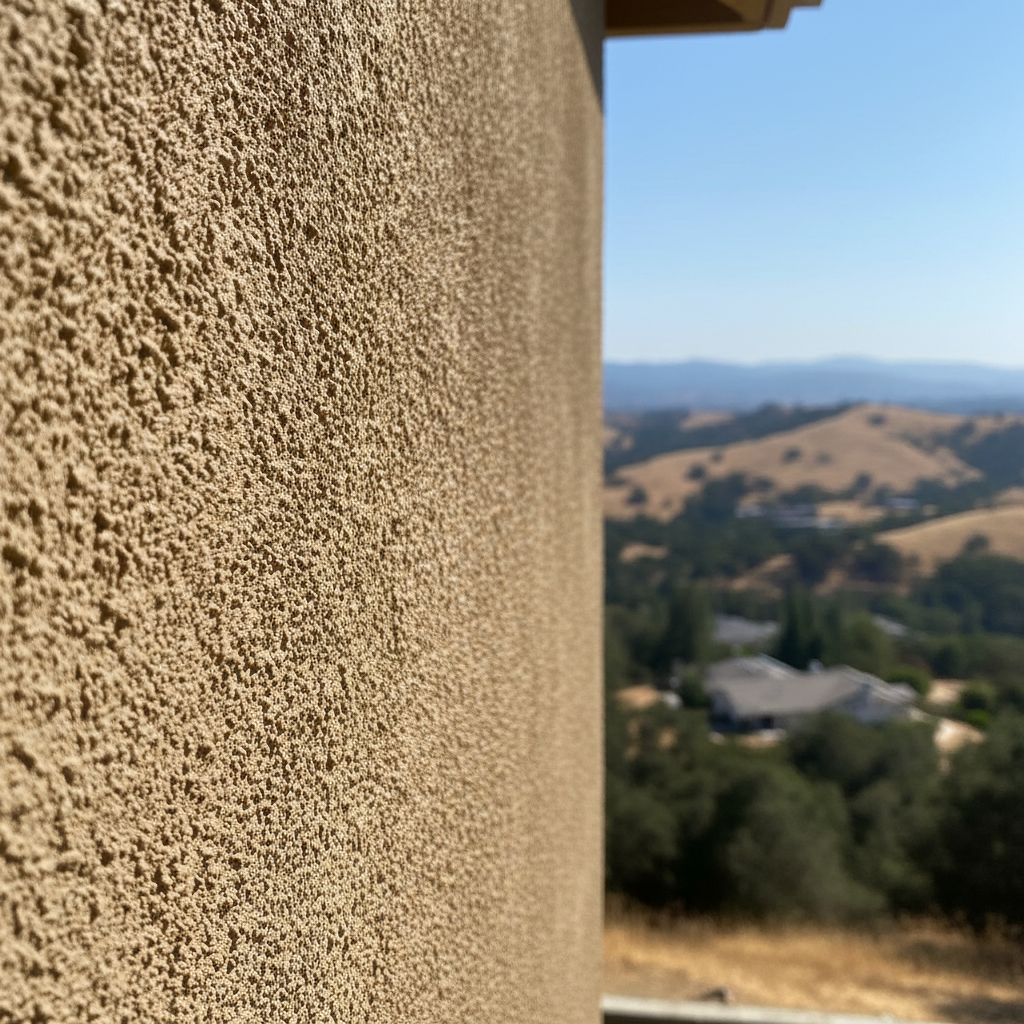
Stucco is tough, but Stucco is not invincible. If you live up in the hills around Portola Valley, your exterior takes damage from shifting clay soils, damp morning fogs rolling off the bay, and intense afternoon sun. Neighborly Stucco sees homeowners wait until a crack starts leaking or a patch of finish crumbles off before they pay attention to their walls. By then, what could have been a simple weekend fix turns into a major framing repair.
Homeowners do not need an engineering degree to keep an eye on their home. Neighborly Stucco will walk through how to inspect stucco yourself, what homeowners can handle on a Saturday morning, and exactly when homeowners need to pick up the phone and call a professional Stucco Contractor like Neighborly Stucco.
Before You Start: What to Look For First
Grab a notebook and walk the perimeter of your house. Do not touch anything yet; just use your eyes. Look for spiderweb cracks, dark stains running down from window sills, and areas where plants are pressing right up against the wall. Portola Valley properties often have heavy landscaping and oak trees dropping leaves, which traps moisture against the base of the house. That moisture is public enemy number one for Stucco systems.
Pay close attention to where the Stucco meets your concrete slab or foundation. If the ground level has crept up over the years due to mulch or garden beds, your weep screed—the metal vent at the bottom designed to let trapped water out—might be buried. If that is covered, water has nowhere to go.
During the Inspection: Getting Up Close
Now take a closer look at those Stucco cracks. Hairline Stucco cracks under a sixteenth of an inch are usually just normal shrinkage and nothing to panic about. They happen as a house settles, especially on properties built on sloping lots here in town.
Here is how you test Stucco cracks yourself:
- Take a credit card and slide it into the Stucco crack. If it fits, you are dealing with something wider than a hairline that needs Stucco Repair.
- Tap gently on the wall with the back of a screwdriver. A solid wall makes a crisp thud. A hollow, paper-maché sound means the Stucco has delaminated from the lath behind it.
- Check around every single window and door frame. Caulk shrinks and fails, and that is where water loves to sneak in first.
When You Can DIY vs. Calling a Pro
If you find hairline Stucco cracks, you can grab an elastomeric masonry patch compound from the hardware store and seal them up yourself on a dry afternoon. It is straightforward Stucco maintenance.
The moment you find soft spots, widespread bubbling, or stains that smell musty, put the DIY tools down. That points to moisture trapped behind the barrier, rotting your wood framing. At that stage, you need a professional moisture meter test and an experienced crew to cut out the damaged section and rebuild the lath, scratch coat, and brown coat correctly.
A quick, thorough walk-around twice a year keeps your Portola Valley home solid and saves you thousands in Stucco Repair costs. Take twenty minutes this weekend and check your walls.