Your New Stucco: Built to Last, But Not Forever Without Care
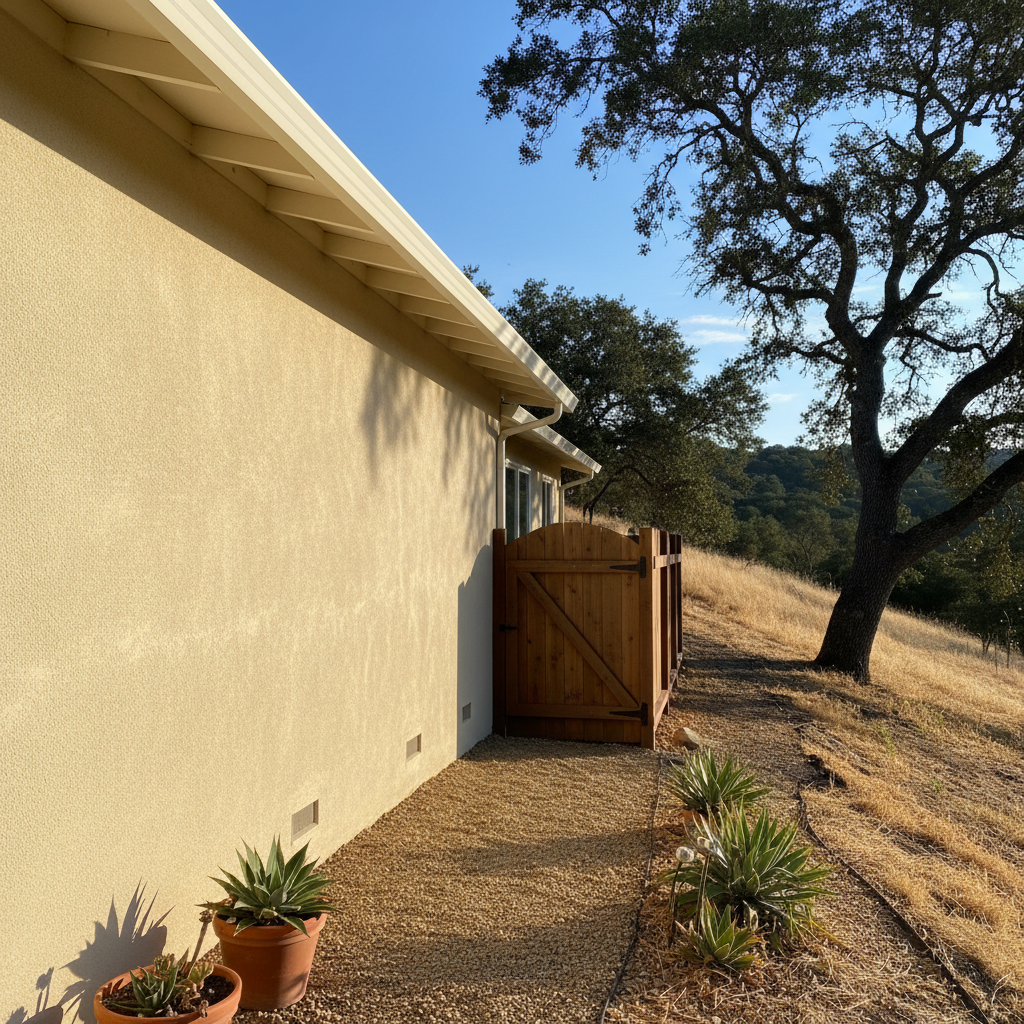
So, you finally invested in new stucco for your Portola Valley home. Maybe you were tired of dealing with the old, cracked stuff – a smart move, if you ask me. Stucco's incredibly tough, looks great, and when it's done right, it really does a fantastic job protecting your house. But "tough" doesn't mean "you can ignore it forever." Think about your car; it'll last a long time, sure, but you still change the oil and wash it, right? Same deal with your stucco. You want to protect that investment, and I'm going to show you how.
Making Your Stucco Replacement Last Longer
The biggest thing you can do to get more life out of your new stucco is to keep water from sneaking behind it. Seriously, water's the number one enemy. Here's how you fight it:
- Gutters and Downspouts: Check these often. Make sure they're clean and actually working. Water pouring over a clogged gutter can run right down your stucco, soaking it and eventually finding a way in. This is especially true during our heavy winter rains here in Portola Valley.
- Good Drainage Around the Foundation: The ground right next to your house should slope away from the foundation, not towards it. If water just sits there against the stucco at the bottom of your walls, you're asking for trouble. This is super important in places like the hills above Portola Valley, where we often get a lot of runoff.
- Landscaping: Keep your plants, shrubs, and trees trimmed back from the stucco. They don't just trap moisture against the wall; their roots can also cause foundation problems that, over time, mess with your stucco. Oh, and climbing vines? They might look pretty, but they can damage the surface and create little highways for moisture.
- Sealant Around Openings: Windows, doors, and any utility lines coming into your house are all spots where water can get in. Check the caulk or sealant around them regularly. If it's cracked, peeling, or just plain gone, clean it out and put down some fresh, high-quality exterior sealant.
- Paint/Elastomeric Coatings: If your stucco is painted, a good exterior paint or elastomeric coating can give you an extra layer of protection against moisture. Just be sure the stucco is clean and completely dry before you put it on.
Regular Maintenance: What You Need to Do
This isn't rocket science, really, but it does mean paying a little attention a couple of times a year.
- Visual Inspections: Take a walk around your house every six months. After a big rain or before winter is usually a good time. Look for cracks, weird discoloration, peeling paint, or any other signs of moisture. Pay extra attention to corners, around windows and doors, and near the foundation.
- Cleaning: Stucco can get dirty, especially on those north-facing walls that don't see much sun. Grab a garden hose and use a gentle spray to wash off dirt, dust, and cobwebs. For tougher grime or mildew, a mild detergent and a soft brush can often do the trick. Always rinse it really well. And please, don't use a high-pressure washer too close or too strong; you could damage the stucco and push water into places it shouldn't be.
- Trim Landscaping: Like I said before, keep those plants from touching the stucco. It's a simple thing, but it makes a huge difference.
Warning Signs: When to Pay Closer Attention
Your stucco usually tells you when something's wrong. You just need to know what to look for, right?
- Cracks: Hairline cracks are pretty common and usually not a huge deal, especially with traditional stucco. But if you see cracks wider than a credit card, or if they look like a spiderweb, or if they're long and horizontal, that's a big red flag.
- Discoloration or Staining: Dark streaks, green patches (that's algae or mildew), or rust-colored stains can all point to water problems. If you notice a dark spot that just won't dry out, water is probably getting in.
- Bubbling, Peeling, or Flaking Paint: This is a pretty clear sign that moisture is trapped behind the paint, trying to get out.
- Soft Spots: If you can gently press on an area of stucco and it feels soft or crumbly, you've got a serious problem on your hands.
- Efflorescence: This is that white, powdery stuff you sometimes see on the surface. It's mineral salts left behind when water evaporates from inside the stucco. It means water is getting in and then drying out.
- Gaps Around Openings: Any separation between the stucco and your windows, doors, or trim needs immediate attention.
When to Call a Professional (Like Neighborly Stucco)
Look, I'm not going to tell you to call us for every little thing. Some of these maintenance tasks you can totally handle yourself. But there are definitely times when you really do need a pro to step in.
- Significant Cracks: If you've got those wider, spiderweb, or long horizontal cracks, don't try to patch them yourself unless you really know what you're doing. A professional can figure out what's causing them and fix it properly to stop more damage.
- Persistent Moisture Issues: If you keep seeing staining, mold, or soft spots, it means water's getting in, and you need someone to find the source and fix it. This often means opening up the wall to see what's happening underneath.
- Large Areas of Damaged Stucco: If a big chunk of your stucco is falling apart, that's way beyond a DIY repair. We can match textures and colors so the repair blends in perfectly.
- Before Repainting: Planning to repaint your stucco? It's a good idea to have a professional inspect it first. We can spot and fix any underlying issues before they get sealed in under a fresh coat of paint.
- After a Major Event: If there's been an earthquake (we get those here!) or significant storm damage, it's smart to get an inspection.
Your new stucco is a beautiful, durable part of your home. With just a little regular attention and knowing when to call in the experts, it'll protect your house and look fantastic for decades. Don't let small problems turn into big, expensive ones. A little proactive care goes a long way in Portola Valley.