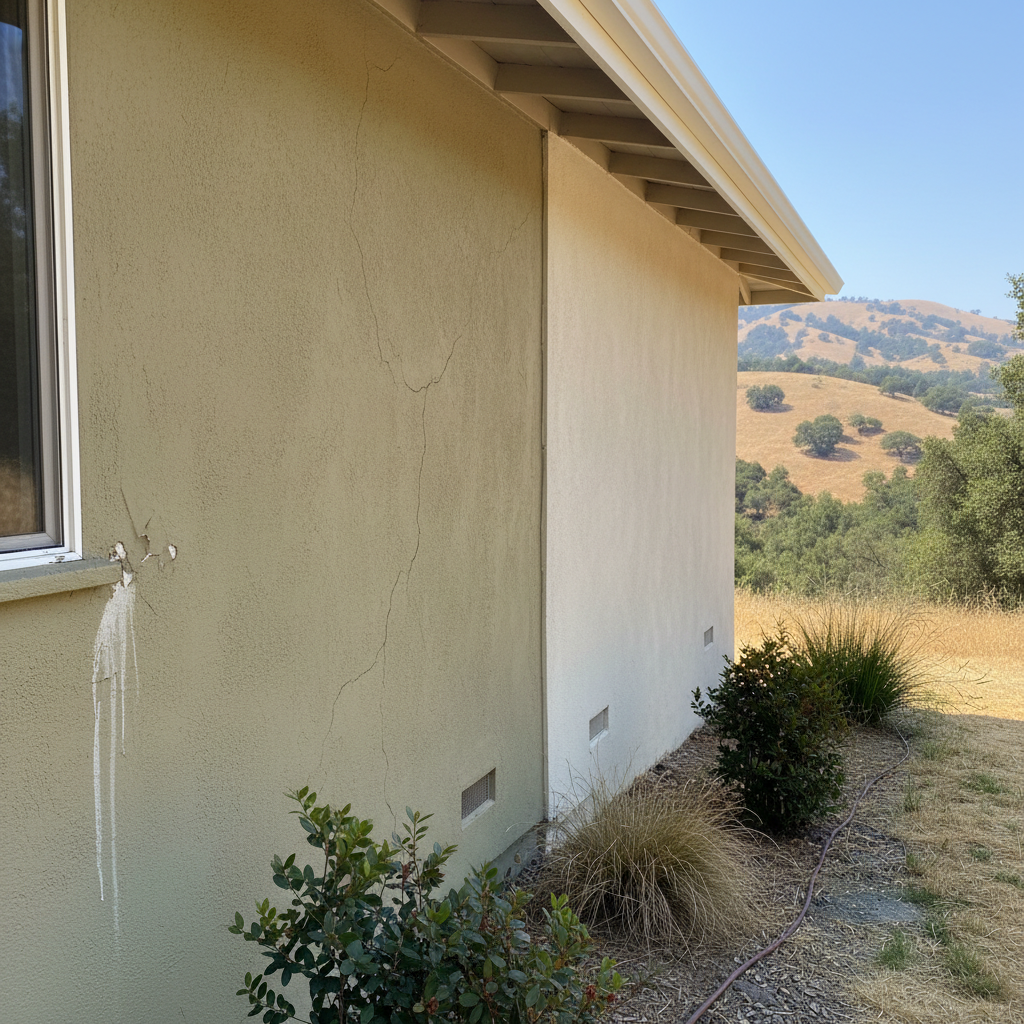
So, your stucco's looking a bit rough, huh? Maybe it's got cracks, water damage, or it just seems tired. When it's time for a replacement, you've got a couple of main routes to think about: the good old traditional 3-coat system or the more modern one-coat approach. I've put in both all over Portola Valley, from the older places up by Skyline to the newer builds near the Village, and honestly, each has its place.
Traditional 3-Coat Stucco: The Classic Choice
This is probably what most folks imagine when they hear "stucco." It's a multi-layered system, usually starting with a scratch coat, then a brown coat, and finally the finish coat. Each layer needs to cure, which means it takes time. We're talking about a process that can stretch out over several days — sometimes even a week or more, depending on the weather and how fast each coat dries. It's pretty labor-intensive, and that's usually where the cost comes in.
- Cost: Generally, traditional stucco tends to be a bit pricier right off the bat. More materials, more labor, more time on site. You're paying for that old-school craftsmanship, you know?
- Durability: This stuff is tough. When it's installed correctly, it's incredibly rigid and can really take a hit. It's a solid, heavy wall system. It's been around for centuries for a reason – it just holds up.
- Maintenance: Pretty low. Keep it clean, fix any cracks that pop up quickly, and you're good to go. It's breathable, which is great for our climate here, letting moisture escape instead of getting trapped.
- Appearance: You get that classic, hard, textured look. It's got a certain depth that's hard to copy. You can do all sorts of finishes, from super smooth to a heavy lace.
One-Coat Stucco: The Modern Alternative
Now, one-coat stucco, sometimes called synthetic stucco, is a whole different animal. It's a polymer-modified cement product that goes on in a single, thicker layer over a base coat and mesh. It's designed to be quicker to install and offers some different perks.
- Cost: Often, one-coat systems can be a bit less expensive than traditional. Fewer coats mean less labor time, which can save you money. But don't confuse 'less expensive' with 'cheap' – it's still a significant investment, after all.
- Durability: This is where it gets interesting. One-coat systems are more flexible than traditional stucco. That flexibility can be a real plus in areas prone to seismic activity (like, you know, California). It's less likely to crack from minor building movement. However, it's generally not as impact-resistant as a thick, traditional cement stucco.
- Maintenance: Similar to traditional, but you really need to be extra careful about water getting in. Because it's less breathable, if water does get behind it (say, from a poorly sealed window or flashing), it can turn into a bigger problem. Regular checks of sealants are super important.
- Appearance: You can get a wide range of finishes, often smoother than traditional stucco if that's what you're aiming for. It can look very clean and modern.
My Take & Recommendation for Portola Valley Homes
Alright, so which one should you choose? For Portola Valley, with our mix of older homes, varied terrain, and yes, those occasional tremors, I tend to lean towards traditional 3-coat stucco for most situations, especially for homes that already have it. Here's why:
First off, the durability. Our homes here, especially those on hillsides or with older foundations, can experience some settling over time. While one-coat's flexibility is good, the sheer mass and rigidity of traditional stucco provide a really robust, long-lasting exterior that's proven itself for decades. The breathability is also a huge plus. We get our fair share of fog and moisture, and having a wall system that can breathe and dry out naturally is crucial for stopping moisture issues down the road. I've seen too many problems with trapped moisture behind less breathable systems when they weren't installed perfectly, and let's face it, no one's perfect.
That said, if you're building a brand new, highly engineered home with a very stable foundation and you're really pushing for a super smooth, modern look, a one-coat system can be a great option. It's faster to get up, and if the installation details are handled with extreme care – and I mean extreme care, especially around windows and doors – it can perform beautifully.
Ultimately, it comes down to what matters most to you. Are you looking for the absolute longest-lasting, most robust system with a classic feel, even if it costs a bit more upfront and takes a little longer? Go traditional. If you're on a tighter timeline or budget, and you're okay with a slightly different maintenance approach, one-coat could work. But remember, with Neighborly Stucco, we're not just slapping on some material. We're building a protective shell for your home, and we want it to last. Let's talk about your specific house and what makes the most sense for you.