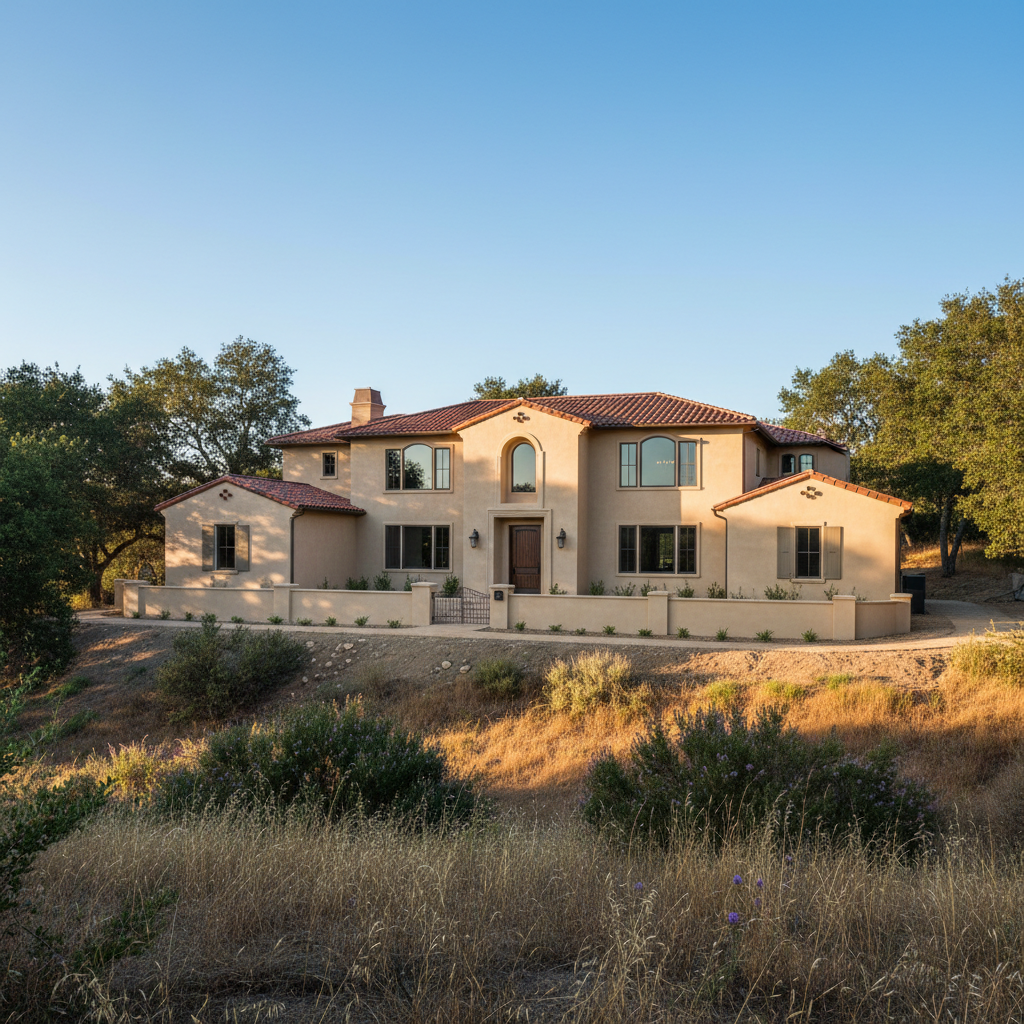
Alright, so you're a Portola Valley homeowner eyeing commercial stucco for your place. Maybe you're building something new, or perhaps you're giving an existing structure a serious facelift. Either way, it's a big project, and you really want to get it right. I've been in this business for a while, and I've certainly seen what makes these jobs run smoothly and what can quickly turn into a real headache. Let's talk about what you need to know.
Understanding the Timeline for Your Stucco Project
First things first, let's set some realistic expectations about how long this will take. A commercial stucco project isn't something you can knock out on a weekend, not even for the pros. The timeline truly depends on your building's size and how complex the work is. Generally, though, you're looking at anywhere from just a few days for smaller repairs to several weeks for a big new installation or a complete replacement.
- Preparation (1-3 days): This is where we get everything ready. If there's old siding, off it comes. We'll check the walls underneath, fix anything that needs it, and then install things like lath, flashing, and moisture barriers. Skipping steps here? That's just asking for trouble down the road.
- Scratch Coat (1 day to apply, then 24-48 hours to cure): This is the very first layer of stucco. We put it on in one day, but then it needs a good 24 to 48 hours to cure properly before we can even think about the next layer.
- Brown Coat (1 day to apply, then 7-10 days to cure): The brown coat adds more structure and helps smooth out the surface. Again, it's a one-day job to apply, but this one needs a longer time to cure—usually seven to ten days, depending on the weather conditions.
- Finish Coat (1-2 days): This is the final layer, the one that gives your stucco its color and texture.
Keep in mind, weather plays a huge role here. Rain, high humidity, or even cold temperatures can really stretch out those curing times. We're pretty lucky here in Portola Valley with our generally mild climate, but those occasional wet winters or intense summer heat can definitely impact the schedule, you know? Planning around good weather helps make sure everything cures right and lasts a long time.
What to Expect During the Process
When we're on site, you'll see a pretty structured process unfold. It all kicks off with a thorough site evaluation. We'll examine your existing conditions, figure out what the structure needs, and note any special architectural details. After that, we put together a detailed plan covering materials, how we'll apply everything, and the project timeline.
The actual application involves multiple layers: first, preparing the surface, then putting on the base coats, and finally, the finish coats. We'll be setting up scaffolding and using specialized tools. Safety is a really big deal, especially on larger buildings, so you'll definitely see us taking precautions to keep everyone safe.
One thing that's absolutely critical in California, particularly in places like ours, is code compliance. Our state has strict rules for materials, thickness, waterproofing, and how things are applied. Often, this means three coats and specific lath and moisture barriers. An experienced contractor, like Neighborly Stucco, knows these codes inside and out, making sure everything gets installed to current standards.
How to Prepare Your Home for a Stucco Project
You've got a part to play in making this go smoothly too. Here's how you can get ready:
- Clear the Area: We'll need clear access all around the work zone. So, move any outdoor furniture, planters, grills, and anything else that's close to the house.
- Protect Landscaping: While we try our best, stucco work can get messy. Cover or temporarily move any delicate plants or landscaping right next to the walls. We'll lay down tarps and use barriers to cut down on dust and debris, but every little bit helps, honestly.
- Consider Access: Think about where we'll need to set up equipment and store materials. We'll definitely talk this over with you, but having a general idea of access points and staging areas helps us plan.
- Inform Neighbors: It's always a good idea to give your neighbors a heads-up about the upcoming work. There will be some noise and activity, and a little forewarning goes a long way.
- Review Local Regulations: If you're in a community like Portola Valley Ranch, you might need specific Design Committee approvals or Town of Portola Valley ASCC (Architectural and Site Control Commission) reviews handled before we even start. Make sure all your ducks are in a row there.
Key Questions to Ask Before Signing a Contract
Before you commit, you need to be sure you're working with the right folks, right? Here are some essential questions to ask any stucco contractor:
- Are you licensed and insured? Don't just take their word for it. Ask to see their current general liability and worker's compensation insurance certificates. This protects you if something goes wrong.
- What's your experience with commercial stucco projects specifically? Stucco on a home is different from a commercial building. You want someone who understands the nuances of larger structures and different substrates.
- Can you provide references and examples of similar projects? Look at their past work. If they're good, they'll be proud to show it off.
- What's your process from start to finish, including timelines and curing periods? A good contractor can walk you through every step and explain why each curing period is important.
- How do you handle surface preparation and moisture management? This is crucial, especially in our climate. Proper prep and moisture barriers prevent big problems down the road.
- What kind of warranty do you offer on your work and materials? A reputable company will stand behind their work with a solid warranty, typically 5-10 years, covering workmanship and material defects.
- How do you manage potential delays like weather or material availability? Life happens. You want to know how they communicate and adapt when things don't go exactly to plan.
- What's the payment schedule? You shouldn't be paying a huge deposit upfront. Typically, it's a moderate deposit, then payments at certain milestones, with the final payment only when the project is complete and you're satisfied.
Choosing the right contractor is probably the most important decision you'll make for your commercial stucco project. Do your homework, ask these questions, and make sure you feel comfortable with their answers. A well-done stucco job will last for decades, enhancing your property's value and curb appeal for a long, long time.